Market Insights28 May 2026Sherry
Dubai Real Estate Market Outlook 2026: What Buyers & Investors Need to Know
The Dubai property market has once again positioned itself as one of the world’s most resilient and attractive real estate destinations
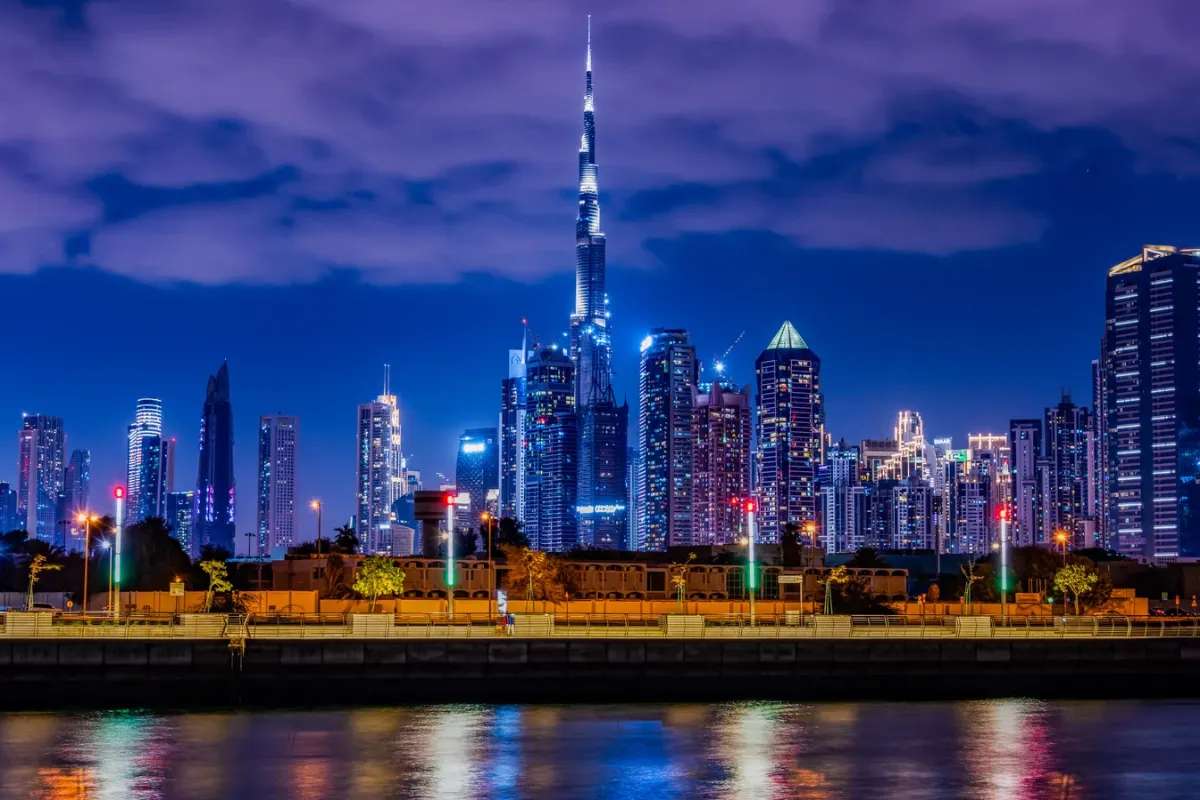
Over the past few years, Dubai has witnessed record-breaking transaction volumes, strong capital appreciation, and growing global investor confidence. As we move through 2026, the market is entering a more mature phase one driven by sustainability, strategic growth, and long-term demand rather than short-term speculation. For buyers, investors, and end-users alike, understanding where the market is heading over the next 12 to 24 months is essential.
A Market Transitioning Into Stability
Dubai’s real estate market is no longer viewed purely as a speculative investment destination. Instead, it has evolved into a globally recognised lifestyle and wealth-preservation hub.
International buyers continue to enter the market from Europe, the United Kingdom, India, Russia, China, and the GCC, attracted by:
• Tax-free income
• High rental yields
• Long-term residency options
• World-class infrastructure
• Political stability and safety
• A luxury lifestyle ecosystem
While property prices in key areas have risen substantially since 2021, the market in 2026 is showing signs of healthy normalization rather than decline. This is an important distinction.
The rapid acceleration phase is cooling, but demand fundamentals remain strong.
Supply vs Demand: What’s Happening?
One of the biggest talking points in 2026 is supply.
Dubai is expected to see a significant number of project handovers over the next two years, particularly within:
• Dubai Creek Harbour
• Business Bay
• Jumeirah Village Circle (JVC)
• Arjan
• Dubai South
• Mohammed Bin Rashid City (MBR City)
However, not all supply impacts the market equally.
The strongest demand continues to exist in:
• Waterfront communities
• Luxury villas
• Branded residences
• Family-oriented master communities
• Premium low-density developments
This means prime assets in high-demand locations are expected to maintain stronger pricing resilience compared to oversupplied mid-market inventory.
Investors are becoming increasingly selective, prioritizing quality developers, strategic locations, and long-term appreciation potential over short-term hype.
Luxury Real Estate Continues to Dominate
Dubai’s luxury market remains one of the city’s strongest-performing sectors.
Ultra-high-net-worth individuals continue relocating to Dubai due to:
• Favorable tax policies
• Wealth protection
• Business opportunities
• Lifestyle migration
• Security and geopolitical stability
Areas such as Palm Jumeirah, Emirates Hills, Jumeirah Bay Island, Dubai Hills Estate, and Dubai Harbour continue to attract premium buyers from around the world.
Branded residences have also emerged as a major trend. Developments associated with hospitality and luxury brands are commanding significant premiums due to exclusivity, service standards, and long-term value perception.
In many ways, Dubai is becoming the global capital of experiential luxury real estate.
Rental Yields Remain Globally Competitive
One of Dubai’s strongest investment advantages remains rental yield performance.
Compared to mature global markets such as:
• London
• New York
• Singapore
• Hong Kong
Dubai continues to offer significantly stronger rental returns.
Average gross yields in Dubai typically range between:
• 5%–8% for apartments
• 4%–6% for villas and luxury properties
In selected communities and short-term rental markets, yields can exceed these averages.
This combination of:
• No annual property tax
• High occupancy demand
• Strong tourism
• Population growth creates a compelling long-term investment case.
The Rise of End-Users Over Speculators
A major shift in Dubai’s market is the increasing number of genuine end-users entering the market.
Many residents who previously rented are now purchasing homes due to:
• Rising rental prices
• Attractive mortgage rates
• Long-term residency confidence
• Improved lifestyle stability
This transition creates a healthier and more sustainable market environment.
Communities focused on schools, parks, wellness, and family living are becoming increasingly desirable, particularly among expatriate professionals relocating permanently to Dubai.
Infrastructure Will Continue Driving Growth
Dubai’s infrastructure expansion remains one of the biggest drivers of future real estate value.
Projects expected to influence property prices over the coming years include:
• Dubai Metro Blue Line
• Al Maktoum International Airport expansion
• Etihad Rail
• New waterfront and mixed-use master developments
• Road network upgrades across emerging communities
Historically, infrastructure growth has had a direct impact on property appreciation in Dubai and 2026 will likely continue that trend.
Investors positioning themselves early in infrastructure-linked communities may benefit significantly over the next decade.
What Buyers Should Consider in 2026: For buyers entering the market today, strategic decision-making matters more than ever.
Key factors to evaluate include:
• Developer reputation
• Community maturity
• Future infrastructure plans
• Supply pipeline
• Rental demand
• Exit strategy
• Payment plan structure
The era of buying “anything” for rapid appreciation is fading. The next cycle favors informed, long-term investing.
Well-located, design-driven properties with lifestyle appeal are expected to outperform generic inventory.
The Next 12–24 Months: What Can We Expect?
The Dubai real estate market is likely to enter a phase of moderated growth rather than explosive appreciation.
Over the next two years, we can expect:
• Continued demand from international investors
• Stable growth in prime communities
• Increased competition among developers
• More focus on quality and experience
• Greater importance of sustainability and smart living
• Potential pricing corrections in oversupplied segments
At the same time, Dubai’s global positioning remains exceptionally strong.
Few cities worldwide currently offer the same combination of:
• Lifestyle
• Safety
• Tax efficiency
• Global connectivity
• Real estate opportunity
• Business friendliness
This is why long-term confidence in Dubai continues to grow.
Dubai’s real estate market in 2026 is evolving, not weakening. The market is transitioning from rapid post-pandemic acceleration into a more balanced and sustainable growth cycle.
For informed investors and buyers, this creates opportunity. The next phase of Dubai real estate will likely reward:
• Long-term thinking
• Strategic location selection
• Premium quality assets
• Lifestyle-driven investments
As Dubai continues to strengthen its position as a global city, its property market remains one of the most compelling real estate opportunities in the world. For investors willing to think beyond short-term market noise, the future of Dubai real estate continues to look remarkably strong.
Tags
DubaiInvestmentsMarket Trends 2026Dubai Real Estates
More from