
Residential17 June 2026Sherry
Sustainable and Green-Certified Buildings in Dubai: What to Look For
As sustainability becomes a major focus in global real estate, Dubai is seeing a growing number of environmentally conscious developments and green-certified buildings. From energy efficiency and water conservation to healthier living environments, sustainable properties offer benefits that extend far beyond environmental impact. Here’s what buyers and investors should look for when evaluating green buildings in Dubai.

Sustainability is rapidly becoming one of the most important considerations in modern real estate. As environmental awareness grows and cities focus on long-term development goals, buyers and investors are placing greater emphasis on properties that promote energy efficiency, resource conservation, and healthier living environments. Dubai has embraced this shift by incorporating sustainability into its urban planning strategies and encouraging the development of green-certified buildings across the emirate.
Today, sustainable real estate is no longer viewed as a niche segment of the market. Instead, it has become an increasingly valuable asset class that offers environmental, financial, and lifestyle benefits. For buyers looking to invest in Dubai property, understanding what makes a building sustainable can help identify developments that are likely to remain competitive and desirable in the future.
Green-certified buildings are designed and constructed to minimize environmental impact while maximizing efficiency and occupant well-being. These developments often incorporate advanced technologies, sustainable materials, and innovative building systems that reduce energy consumption, lower operating costs, and improve indoor living conditions.
One of the first things buyers should look for is recognized sustainability certification. International standards such as LEED (Leadership in Energy and Environmental Design) and regional sustainability frameworks help verify that a building has been designed and constructed according to established environmental criteria. Certification provides buyers with greater confidence that the development meets specific performance standards related to energy, water, materials, and indoor environmental quality.
Energy efficiency is one of the most significant benefits of sustainable buildings. Modern green-certified developments often incorporate high-performance insulation, energy-efficient glazing, intelligent climate control systems, LED lighting, and optimized building management technologies. These features help reduce overall energy consumption while maintaining comfortable indoor environments throughout the year.
Water conservation is another important consideration, particularly in regions where water resources require careful management. Sustainable developments frequently include water-efficient fixtures, smart irrigation systems, greywater recycling technologies, and landscaping designed to reduce water usage. These initiatives contribute to lower utility consumption and more responsible resource management.
Indoor environmental quality has become a major focus within sustainable real estate. Green-certified buildings often prioritize air quality, natural lighting, ventilation, and the use of low-emission construction materials. These features can contribute to healthier living environments and improved occupant comfort.
Location also plays a key role in sustainability. Developments located near public transportation networks, business districts, schools, healthcare facilities, and retail destinations help reduce commuting requirements and support more efficient urban living. Communities designed around walkability and connectivity often align closely with broader sustainability objectives.
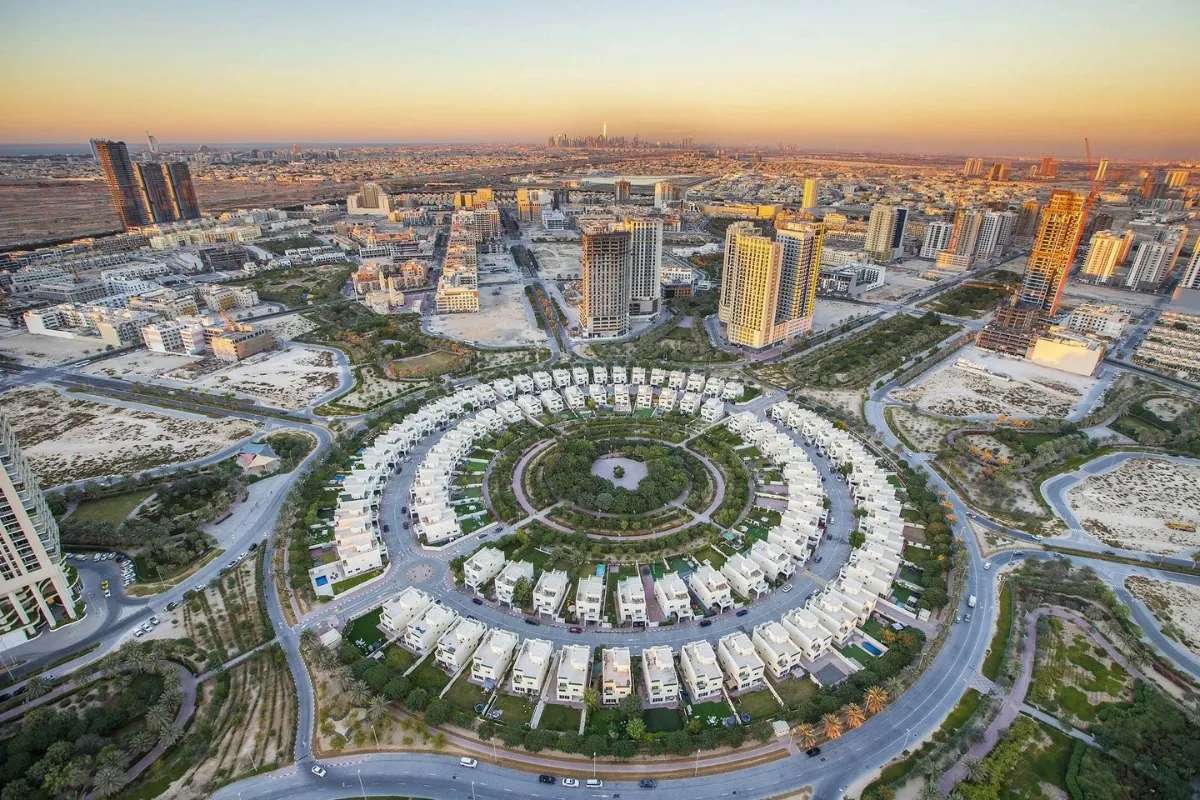
Dubai has introduced several initiatives aimed at promoting environmentally responsible development. New projects increasingly incorporate sustainable construction practices, renewable energy solutions, and smart city technologies that support the emirate's long-term environmental goals. Many master-planned communities now feature extensive green spaces, cycling tracks, pedestrian-friendly layouts, and energy-efficient infrastructure.
From an investment perspective, sustainable properties may offer several long-term advantages. Lower operating costs, increased tenant demand, improved building performance, and future regulatory compliance can all contribute to stronger asset value over time. As environmental considerations become more important for both residents and businesses, green-certified buildings are increasingly viewed as premium assets within the market.
Developers are also recognizing the growing demand for sustainability among modern buyers. New residential projects increasingly highlight environmental performance, energy efficiency, wellness amenities, and smart technologies as key selling points. This trend is expected to continue as sustainability becomes an integral component of future urban development.
For investors, sustainability should be viewed as more than just an environmental consideration. It can influence operating expenses, tenant satisfaction, occupancy rates, and long-term market competitiveness. Buildings designed with sustainability in mind are often better positioned to adapt to future market expectations and regulatory requirements.
Dubai's commitment to innovation and sustainable development continues to shape the future of its real estate market. As buyers become more conscious of environmental impact and long-term value, demand for green-certified properties is expected to grow across both residential and commercial sectors.
When evaluating property opportunities, looking beyond aesthetics and location to consider sustainability credentials can provide valuable insights into a building's future performance. Sustainable real estate not only supports responsible living but also represents an increasingly important component of long-term investment success in Dubai's evolving property market.
Tags
Sustainable Buildings DubaiGreen Certified Buildings DubaiSustainable Real Estate DubaiLEED Certified BuildingsDubai Green BuildingsEco Friendly Property DubaiSustainable Property InvestmentDubai Real EstateGreen Living DubaiEnergy Efficient BuildingsSmart Buildings DubaiSustainable Communities DubaiProperty Investment UAEDubai Property MarketEnvironmentally Friendly HomesDubai Smart CitySustainable Development DubaiGreen Property InvestmentFuture Ready Real EstateCove Estates